If you aim at mindful living, you will have to practice it in all your activities, including travelling and here is a list of tips on how to stay calm and mindful even in new places, circumstances and stressful travel situations.
Mindful Travel Living: Techniques to Ease Tension While on the Road
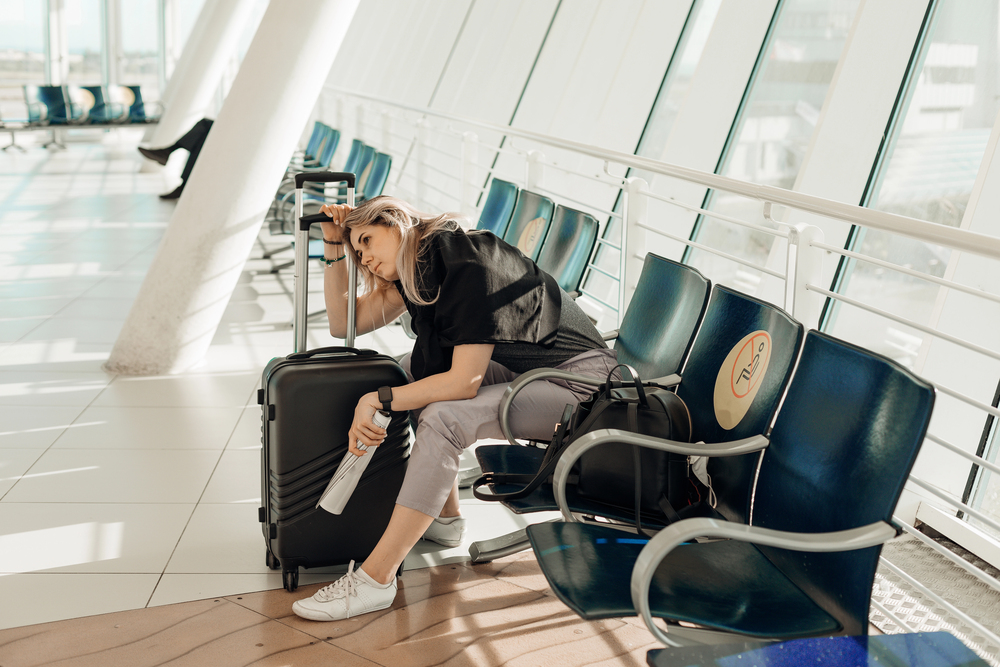
Travel is often marketed as a series of beautiful moments, but the reality of getting from one place to another involves a lot of physical and mental strain. Our bodies are not naturally designed to sit in cramped airplane seats for ten hours or to stand in long security lines with heavy luggage pulling on our shoulders. These physical demands create what we might call “physiological echoes” of stress. Even after we arrive at a beautiful destination, our muscles remain tight and our nervous system stays on high alert. We carry the tension of the journey long after the suitcases are unpacked.
The mental weight of travel is just as heavy. Navigating unfamiliar logistics, keeping track of schedules, and managing the constant change of scenery requires a high level of cognitive energy. This can lead to a “travel crash,” where we feel completely exhausted just as the fun is supposed to begin. To prevent this, we need to use “micro-adjustments.” These are small, simple techniques that keep our bodies and minds fluid throughout the entire process. By treating the transition as part of the destination, we can arrive feeling refreshed rather than drained.
Grounding Through the Body
Focusing on your body’s position in space quiets a racing mind. During transit, you can combat “floaty” feelings by pressing your feet firmly into the floor, imagining them growing roots for stability. Simple isometric exercises—like squeezing glutes or circling ankles—keep blood flowing and anchor you in the present.
For extra structure, digital tools are helpful. If struggling to stay centered, you might ask, what is Liven? It is a wellness platform offering guided exercises to help you regulate emotions and stay physically present. These micro-movements prevent your mind from drifting into “next step” anxiety, keeping you calm in the “now.”
Managing Environmental Overload
The constant noise, bright lights, and motion of travel keep our sympathetic nervous system—the part of the brain responsible for “fight or flight”—on high alert. To protect ourselves, we can use a technique called sensory gating. This involves using a narrow visual focus to filter out the chaos. Instead of looking at the rushing crowd, find one still object, like a sign or a distant window, and focus on it while taking three deep breaths. This tells your brain that you are not in danger, even if the environment is busy.
You can also use temperature as a biological “reset” for your vagus nerve. If you feel a surge of panic or frustration, splashing cold water on your face or holding a cold bottle of water against your wrists can immediately lower your heart rate. On the other hand, if you feel cold and tense, adding a warm layer or drinking a hot tea can help your muscles relax. These small physical shifts are powerful because they bypass the thinking brain and talk directly to your nervous system, providing instant relief from overstimulation.

Cognitive Shifts for the Long Haul
A major source of travel tension is “clock-watching.” When we are obsessed with how much time is left in a flight or a car ride, every minute feels longer and more stressful. To change this, try to embrace the transition period as a valuable space for yourself. Shift your mindset from “I am stuck in transit” to “I am an observer in a new environment.” Look at the architecture of the airport or the changing landscape out the window with curiosity. This turns a boring wait into an active, mindful experience.
It is also vital to set boundaries with your devices. We often use our phones to “escape” the discomfort of travel, but the blue light and constant notifications actually increase our mental fatigue. Try to set specific times for intentional disconnection. Put your phone away for thirty minutes and allow your brain to simply process the change in scenery. This mental “buffer” prevents your thoughts from becoming fragmented and helps you arrive at your destination with a clearer, more focused mind.
Arriving Whole
The way we end a journey is just as important as how we start it. Once you reach your hotel or home, create a “landing ritual.” This could be a five-minute stretch, a shower, or simply sitting in silence for a moment before you start unpacking. This ritual signals to your body that the journey is over and it is finally safe to let go of the tension you have been carrying. It helps you integrate the experience so you don’t feel like you are still “on the road” for the next two days.
Sustainable travel is about viewing motion not as a hurdle to overcome, but as a space for mindful presence. When you treat your body and mind with care during the journey, you arrive ready to enjoy your destination to the fullest. You stop being a passive passenger and start being an active participant in your own well-being. By staying fluid and flexible, you ensure that the journey itself becomes a source of peace rather than a source of stress.
Final Word
Travel doesn’t have to be a test of your endurance. By using grounding techniques and protecting your sensory space, you can navigate even the longest journeys with ease. Remember that you are in control of your internal environment, no matter how chaotic the external world becomes. Arrive at your destination feeling whole, present, and ready for whatever comes next.