For a long time, my idea of adventure followed a familiar pattern. It meant movement, momentum and moments that felt exciting enough to justify the effort of getting there. Adventure was measured in difficulty, altitude, intensity or how far outside my comfort zone I could push myself in a visible way.
Travelling in wild places slowly dismantled that definition. There were no dramatic milestones and no clear finish lines. Instead, there were environments that didn’t respond to enthusiasm or ambition at all. They required patience, attention and a willingness to move at someone else’s pace.
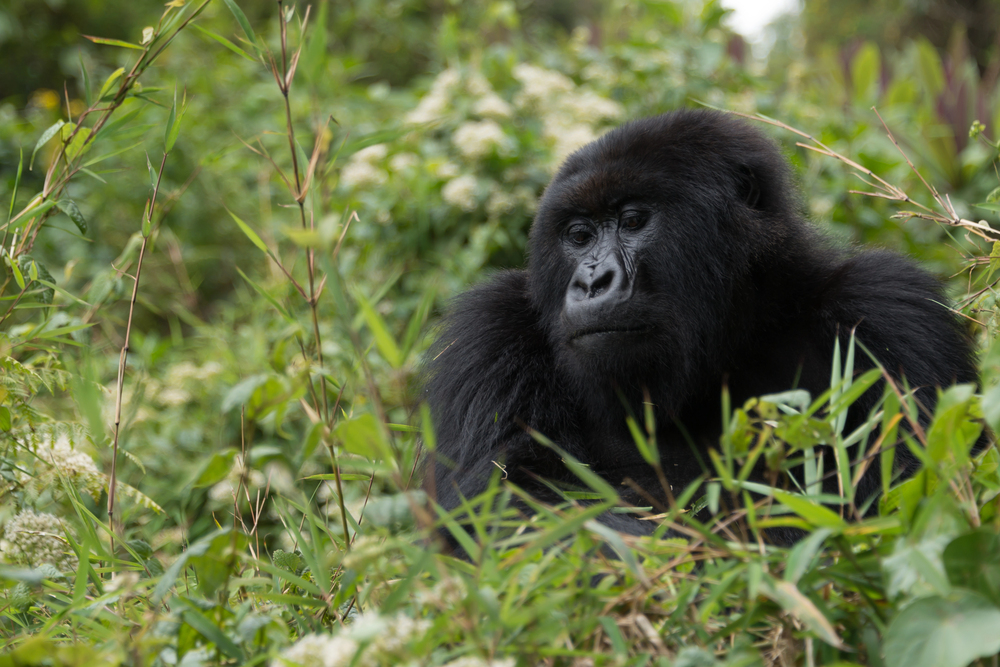
Experiences such as gorilla trekking highlighted this shift early on. It wasn’t about speed or spectacle, but about awareness and restraint. Progress depended on listening, adapting and understanding that adventure doesn’t always involve charging forward. Sometimes it involves slowing down and responding carefully to what’s around you.
Losing the Need to Perform Adventure
A lot of what we call adventure is performative, even when we don’t intend it to be. There’s an underlying pressure to document it, justify it or make it look impressive from the outside.
Wild places don’t encourage that mindset. Conditions are unpredictable, distractions are impractical and your attention is needed elsewhere. You don’t stop to frame the perfect shot when footing matters or when the environment demands focus.
Without the constant urge to document, adventure becomes quieter and more personal. It exists for you rather than for a version of yourself you’ll later explain to others. That alone changes how meaningful it feels.
Adventure Without Guarantees
Many adventures are built around outcomes. Reach the summit. Complete the trail. See the thing you travelled to see.
In wild environments, none of that is guaranteed. Progress is dictated by terrain, weather and timing rather than determination. Sometimes the journey itself is the entire experience, with no clear reward at the end.
This uncertainty fundamentally reframes adventure. It stops being about achievement and becomes about participation. You don’t conquer the space; you move within it, adjusting constantly. That shift removes pressure and replaces it with attentiveness.
Attention Becomes the Challenge
In wild places, attention isn’t optional. It’s practical. You watch where you step. You listen for changes in sound. You notice subtle signals in the environment because they matter. This level of awareness leaves little room for distraction or overthinking.
Rather than feeling intense in an adrenaline-fuelled way, the experience feels absorbing. Your focus narrows naturally, and mental noise fades into the background.
This kind of engagement feels very different from traditional adventure, but it’s no less demanding.
Redefining Difficulty
Before travelling in wilder environments, I associated difficulty with physical exertion. The harder something was, the more adventurous it felt.
Wild travel introduces a different kind of difficulty. Waiting. Not knowing what happens next. Moving slowly when you’d rather rush ahead. Accepting that you don’t control the pace or outcome.
These challenges are quieter but often more uncomfortable. They require patience rather than strength and adaptability rather than endurance.
Over time, though, that discomfort becomes part of the appeal.
Feeling Small in the Best Possible Way
One of the biggest shifts in how I understand adventure came from feeling genuinely small. Not insignificant, but properly scaled.
In wild places, it becomes clear that you are not the priority. The environment doesn’t respond to your confidence or your plans. You are simply another presence within it.
There’s something reassuring about that realisation. Adventure stops being about proving capability and starts being about coexistence. You don’t need to dominate the experience to feel fulfilled by it.
Why Quiet Adventures Linger
Loud, dramatic adventures make great stories, but they fade quickly. Quieter experiences tend to stay with you longer. They don’t rely on standout moments. Instead, they embed themselves through repetition, rhythm and subtle change. You remember how the environment felt, how your attention shifted, and how time seemed to stretch.
These memories resurface unexpectedly, not as anecdotes, but as perspective.
Carrying a New Definition of Adventure Forward
Once your idea of adventure shifts, it influences how you travel afterwards. You start to value experiences that require presence rather than performance.
Slowness becomes appealing. Uncertainty feels less threatening. You become more comfortable with not knowing what comes next.
Adventure becomes less about doing more and more about noticing more.
Adventure Beyond the Trip Itself
The redefinition doesn’t end when the journey does. It filters into everyday life. You become more patient. Less reactive. More aware of your surroundings. Silence feels less awkward. Waiting feels less wasted.
Wild travel doesn’t just change where you go, but how you move through space in general. Travelling in wild places didn’t make my trips less adventurous. It made them more honest.
It stripped away the idea that adventure needs noise, speed or spectacle to matter. Instead, it showed me that some of the most powerful experiences are defined by attention, humility and responsiveness.
Adventure, I realised, isn’t always about pushing forward. Sometimes it’s about slowing down, listening closely and allowing the experience to unfold without interference.
And once adventure starts to look like that, it’s hard to see it any other way.