Solo travel for students may sound scary at first. A student alone in a new city, carrying a backpack, reading maps, choosing food, managing money, and talking to strangers—doesn’t that feel like a huge challenge? Yes, it does. But that is exactly why solo travel can be such a powerful experience.
When students travel alone, they step away from the usual safety net of parents, teachers, friends, and daily routines. They become responsible for their own choices. They learn how to plan, adapt, communicate, and trust themselves. In many ways, solo travel is like a classroom without walls. The lessons are real, the tests are unexpected, and the rewards can last a lifetime.
For students, confidence and independence are not built overnight. They grow through experience. Solo travel gives students those experiences in a direct and memorable way. It teaches them that they are stronger, smarter, and more capable than they may have believed.
Solo Travel Builds Confidence Through Real-Life Challenges
Confidence is not just about feeling good. It is about knowing that you can handle life when things do not go perfectly. Confidence grows when students learn how to solve their academic problems instead of avoiding them. When they struggle with an assignment, they begin to understand that asking for support is part of becoming stronger and more independent. During difficult study periods, choosing the best research paper writing service at affordable prices can help students better understand their topic and either improve their own work or have it done for them. With the support of professional writers, students can learn how to organize ideas, fix weak arguments, and approach future assignments with less fear. In this way, academic challenges become a path to greater confidence. Solo travel teaches this lesson very quickly, too.
A delayed bus, a lost phone charger, a confusing street sign, or a missed meal can feel stressful. But these challenges are also opportunities. Students learn to stay calm, look for solutions, and keep going.
In school, students often learn from books, lectures, and exams. During solo travel, they learn from real situations. The world becomes the teacher.
Learning to Solve Problems Alone
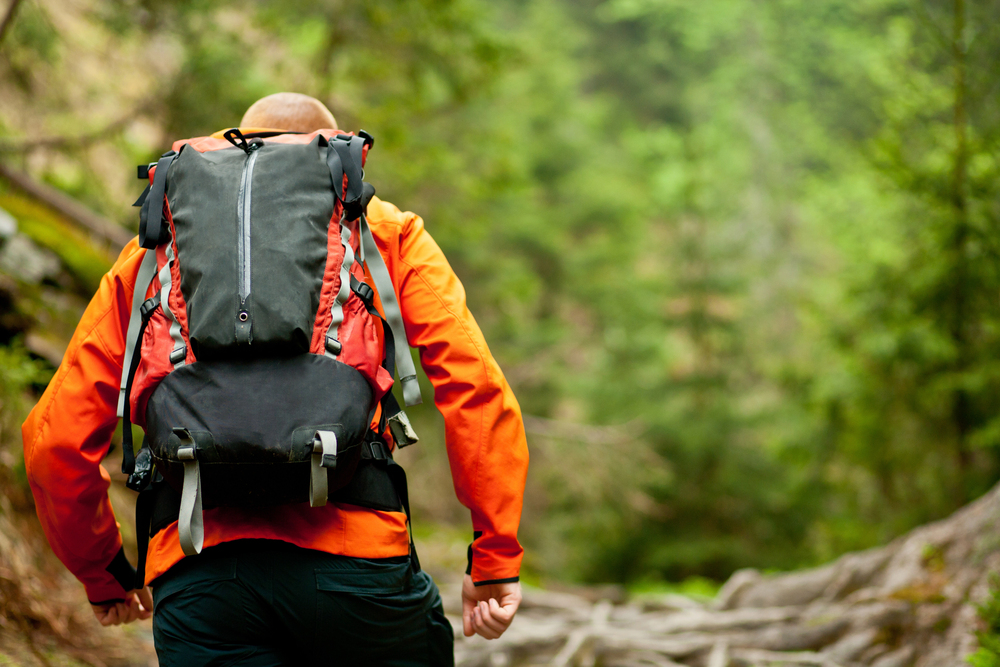
Problem-solving is one of the biggest benefits of solo travel for students. When traveling with family or friends, someone else may take charge. But when students travel alone, they must make decisions themselves.
For example, imagine a student arriving in a city and discovering that their accommodation booking has a problem. At first, panic may appear. But then the student has to act. They may contact the hostel, search for another place, check reviews, compare prices, and make a new booking. After solving the issue, they feel stronger.
Why? Because they did not just read about responsibility. They lived it.
This kind of problem-solving builds deep confidence. Students begin to understand that mistakes are not the end of the world. A wrong turn can become a new discovery. A travel delay can become a lesson in patience. A difficult moment can become a story they tell for years.
Solo travel also teaches flexibility. Plans may change, and students learn to change with them. This is an important life skill. After all, life rarely follows a perfect timetable.
Building Social Confidence With New People
Many students feel shy when speaking to new people. Solo travel can help with this. When students travel alone, they often need to communicate with strangers. They may talk to hotel staff, shopkeepers, other travelers, local guides, or people on public transport.
At first, this may feel uncomfortable. But slowly, it becomes easier. Students learn how to start conversations, ask questions, listen carefully, and express themselves clearly.
This social confidence can also help in academic and professional life. A student who becomes comfortable speaking to strangers while traveling may later feel more confident during interviews, class presentations, group projects, or networking events.
Solo travel also shows students that most people are not as scary as they imagine. Many people are helpful, kind, and open. This does not mean students should trust everyone blindly. They still need to be careful. But they also learn that the world is not only full of danger. It is full of connection too.
Solo Travel Pushes Students Out of Their Comfort Zone
Most students live inside a familiar bubble. They know their school, their neighborhood, their friends, and their daily schedule. This bubble feels safe, but it can also limit growth. Solo travel gently breaks that bubble.
When a student travels alone, even simple tasks become meaningful. Buying a train ticket, asking for directions, finding a hostel, or ordering food in another language may seem small. However, each small task builds courage. Every time a student handles something alone, they prove to themselves, “I can do this.”
This is where confidence begins. It does not come from avoiding fear. It comes from facing fear and moving forward anyway.
Think of confidence like a muscle. If you never use it, it stays weak. But when you challenge it, it grows stronger. Solo travel gives students many chances to use that confidence muscle. At first, they may feel nervous. Later, they may feel proud. Eventually, they begin to trust themselves more.
The comfort zone is comfortable, but nothing much grows there. Solo travel places students in new situations where they must think, act, and decide for themselves. That is where personal growth begins.
Independence Grows When Students Make Their Own Decisions
Independence is more than being physically alone. It means being able to manage yourself. Solo travel gives students daily practice in independence.
When traveling alone, students decide where to go, what to eat, how much to spend, when to rest, and how to use their time. Nobody is there to make every choice for them. This freedom can feel exciting, but it also comes with responsibility.
For many students, this may be the first time they truly control their own schedule. They learn that every decision has a result. If they spend too much money on the first day, they may need to budget carefully later. If they stay out too late, they may feel tired the next morning. If they do not check transport times, they may miss a bus or train.
These lessons are practical and powerful. They teach students how to manage time, money, energy, and priorities.
Independence also means learning to enjoy your own company. Many young people feel uncomfortable being alone. They are used to constant messages, social media, and group activities. Solo travel teaches students that being alone is not the same as being lonely.
A student sitting alone in a café, walking through a museum, or watching a sunset may discover something important: their own thoughts matter. They do not always need outside noise to feel complete.
This self-comfort is a quiet form of independence. It helps students become less dependent on approval from others. They learn to choose based on their own values, not just on what friends think.
Solo Travel Helps Students Understand Themselves and the World
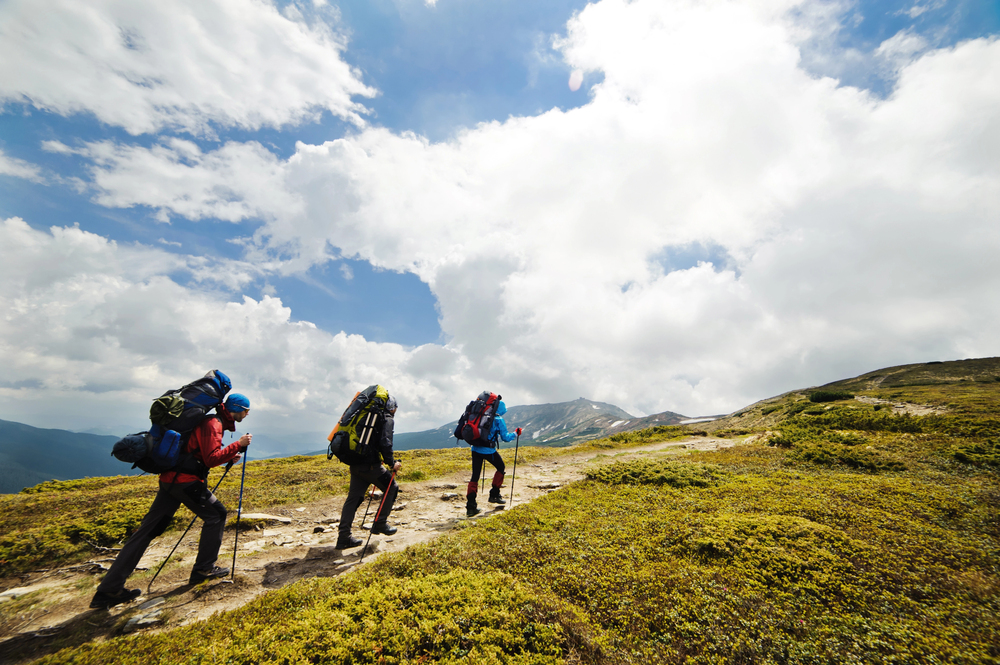
One of the most beautiful parts of solo travel is self-discovery. When students leave their usual environment, they often see themselves more clearly.
At home, students may follow routines without thinking. They may act according to family expectations, school pressure, or friend groups. But in a new place, away from familiar labels, they can ask deeper questions. What do I enjoy? What makes me nervous? What kind of person do I want to become?
Travel gives space for reflection. Long train rides, quiet walks, and new landscapes can open the mind. Students may discover interests they never noticed before. They may realize they love history, nature, languages, photography, food, or meeting people from different cultures.
Solo travel also teaches cultural awareness. Students see that people live in many different ways. Food, customs, clothing, communication styles, and daily habits may be different from what they know. This can make them more open-minded and respectful.
When students understand that their way of life is not the only way, they become more mature. They learn to compare without judging. They learn to ask questions instead of making quick assumptions.
This wider view of the world can also improve confidence. A student who has successfully moved through unfamiliar places often feels better prepared for future challenges. University life, career choices, relocation, or meeting diverse people may feel less frightening.
Solo travel is not only about seeing new places. It is about seeing life with new eyes.
Conclusion: Solo Travel Can Shape Stronger, Braver Students
Solo travel can build student confidence and independence because it gives students real responsibility. It places them in situations where they must think clearly, solve problems, make decisions, communicate, and trust themselves. These experiences are not always easy, but they are deeply valuable.
Of course, students should travel wisely. They should research destinations, share plans with trusted people, keep emergency contacts, protect important documents, and respect local rules. Confidence does not mean being careless. True confidence means being prepared, aware, and brave enough to grow.
In the end, solo travel is more than a trip. It is a journey into adulthood. It teaches students that they can stand on their own feet, even when the road is unfamiliar. Like a bird learning to fly, a student may feel nervous at the edge of the nest. But once they take that first flight, they discover something life-changing: they were capable all along.